

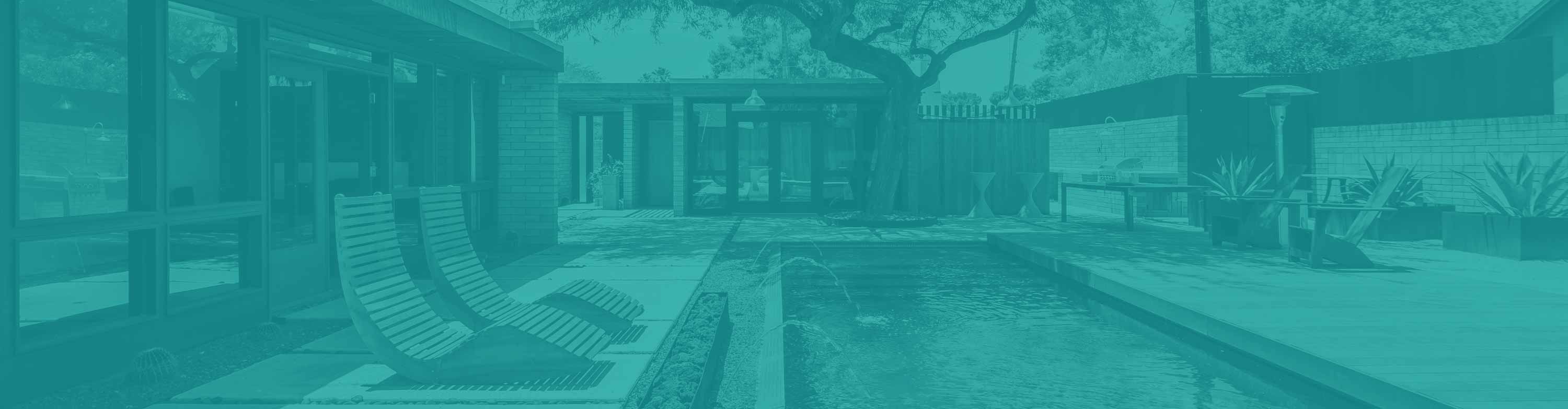
How Strategic Exterior Improvements Can Increase Your Property’s Appeal and Long-Term Value
When preparing a home for sale or looking for ways to protect a real estate investment, homeowners often concentrate on interior upgrades. Modern kitchens, renovated bathrooms, and fresh flooring are popular improvements, but the condition of a property’s exterior can be equally important.
The exterior is the first part of a home that prospective buyers encounter. Driveways, walkways, landscaping, patios, and exterior finishes all contribute to their initial impression. A property with well-maintained outdoor features can feel more welcoming, while neglected surfaces may raise concerns about the condition of the rest of the home.
However, improving curb appeal does not necessarily require a complete renovation. Carefully selected projects can enhance appearance, address maintenance concerns, and make a property more appealing to future buyers.
Understanding which improvements deserve attention can help homeowners invest wisely while avoiding unnecessary expenses.
Why First Impressions Matter in Real Estate
A property’s exterior begins shaping buyer expectations before anyone enters the building.
Prospective buyers may notice the condition of the driveway, the appearance of exterior walls, and how landscaping frames the entrance.
These details influence the way the entire property is perceived.
A well-organized exterior can suggest that the home has received consistent attention. Conversely, visible deterioration may prompt questions about other maintenance issues.
However, attractive landscaping or fresh paint cannot substitute for sound construction.
Buyers should still evaluate structural conditions, building systems, and other important components.
For sellers, the objective is to create an exterior that feels cared for while addressing genuine maintenance concerns.
An appealing first impression can encourage buyers to explore the property with greater interest.
Begin With an Exterior Property Assessment
Before spending money on improvements, homeowners should evaluate the current condition of the property.
This assessment helps distinguish essential repairs from optional decorative upgrades.
Start by examining accessible areas around the building.
Look for damaged paving, deteriorating paint, uneven walkways, drainage problems, and overgrown landscaping.
Pay particular attention to features that affect safety or everyday usability.
A cracked driveway may be primarily cosmetic in some situations, but significant displacement can interfere with vehicle access or create a tripping hazard.
Similarly, peeling paint may reflect ordinary weathering or indicate underlying moisture problems.
Understanding the cause of deterioration helps homeowners avoid investing in improvements that fail prematurely.
A prioritized list of repairs provides a practical starting point for planning.
Understand the Value of a Well-Maintained Driveway
Driveways occupy a substantial portion of the visible exterior on many residential properties.
Their condition can influence curb appeal and everyday convenience.
Cracks, potholes, surface deterioration, and drainage problems may make a property appear neglected.
However, driveway improvements should be selected according to the existing surface and the severity of damage.
Minor defects may be suitable for localized repairs, while extensive deterioration can require resurfacing or replacement.
Asphalt and concrete offer different characteristics, maintenance requirements, and installation considerations.
For example, a property owner comparing a wilmington asphalt contractor with other paving professionals should evaluate the proposed preparation methods, materials, drainage considerations, and scope of work rather than focusing exclusively on price.
Properly completed driveway improvements can enhance functionality while contributing to a more polished exterior appearance.
Choose Driveway Materials According to Practical Needs
Driveway material selection should reflect climate, anticipated vehicle loads, maintenance expectations, and the property’s architectural style.
Asphalt is commonly used for residential driveways because it provides a continuous paved surface and can be suitable for various site conditions.
Concrete is another popular option, offering flexibility in finishes, colors, and decorative treatments.
However, neither material is universally superior.
Installation quality and site preparation have a significant influence on long-term performance.
A poorly prepared base can contribute to problems regardless of the selected surface.
Homeowners should also consider drainage.
Standing water or runoff directed toward vulnerable building areas can create additional concerns.
The most effective driveway design balances durability, everyday convenience, and visual compatibility with the home.
Improve Walkways and Entrance Accessibility
The walkway leading to a home’s entrance is an important part of its exterior presentation.
It guides visitors toward the front door while contributing to the overall landscaping design.
A clear, comfortable pathway can make the entrance feel more inviting.
However, appearance should not be the only consideration.
Uneven paving, slippery surfaces, and poorly positioned steps may create unnecessary hazards.
Walkways should be appropriate for expected foot traffic and local weather conditions.
Homeowners can also use lighting and landscaping to emphasize the route.
A simple path bordered by suitable plants may be more effective than an elaborate design requiring extensive maintenance.
Practical accessibility can make a home more appealing to a wider range of potential occupants.
Make Patios More Functional for Everyday Living
Outdoor living areas are often attractive to buyers because they extend the usable space of a property.
A patio can provide opportunities for dining, entertaining, relaxation, and other activities.
However, its value depends on functionality as much as appearance.
A small, comfortable patio with convenient access from the house may be more useful than a larger space located awkwardly within the yard.
Material selection should reflect climate, drainage, and anticipated use.
For example, homeowners exploring https://endevont.com/ may be considering how a professionally constructed patio can complement the landscape while accommodating outdoor activities.
Before beginning construction, homeowners should think about furniture placement, privacy, sunlight, and maintenance.
A thoughtfully designed patio can make the property more enjoyable without requiring unnecessary complexity.
Create a Strong Connection Between Indoor and Outdoor Spaces
Buyers often appreciate properties where outdoor areas feel naturally connected to the interior.
A patio positioned near a kitchen or living room can support entertaining and everyday activities.
Large windows and appropriately placed doors may also strengthen this connection.
However, transitions between interior and exterior spaces require careful planning.
Door thresholds, drainage, privacy, and circulation should all be considered.
The materials used outdoors can complement the interior design without needing to match it exactly.
For example, neutral patio paving may work well with natural wood flooring and understated indoor finishes.
A coordinated design helps the property feel more cohesive.
This can improve the experience of using the home while creating a visually appealing presentation for prospective buyers.
Refresh Exterior Paint for a Cleaner Appearance
Exterior paint can dramatically influence how a home is perceived.
Faded colors, peeling coatings, and inconsistent finishes may make an otherwise attractive property appear older or poorly maintained.
A refreshed exterior can create a more cohesive appearance.
However, painting should involve more than applying a new color.
Surface preparation is essential.
Loose paint, damaged substrates, and moisture problems should be addressed before new coatings are applied.
Professional painting providers such as https://salgadopaintingservices.com/ may be considered when homeowners are evaluating exterior finishing work.
The appropriate paint system depends on the underlying material and environmental conditions.
Careful preparation and compatible products can help improve durability while achieving a more consistent finished appearance.
Select Exterior Colors With Resale Appeal in Mind
Color preferences vary, but some exterior palettes may appeal to a broader range of buyers.
Neutral tones are often considered because they can complement different architectural styles and landscaping arrangements.
However, neutral does not necessarily mean plain.
Contrasting trim, coordinated roofing colors, and a distinctive front door can introduce visual character.
The surrounding neighborhood should also influence decisions.
An exterior color that suits one architectural setting may appear unusual in another.
Before repainting, homeowners should evaluate samples under different lighting conditions.
It is also important to consider existing features that will not be changed.
Roofing, masonry, paving, and window frames all contribute to the final color composition.
A consistent palette can make the property feel thoughtfully maintained.
Use Landscaping to Frame the Home
Landscaping plays an important role in exterior presentation.
Trees, shrubs, flower beds, and groundcover can soften architectural features and create visual balance.
However, excessive vegetation can obscure the building or make the property appear difficult to maintain.
Homeowners preparing to sell may benefit from simplifying overgrown planting areas.
Trimming appropriate vegetation, removing weeds, and refreshing mulch can improve appearance without requiring extensive redesign.
Plant selection should also reflect local climate and maintenance requirements.
A landscape filled with demanding plants may discourage buyers who prefer low-maintenance outdoor spaces.
The objective is to create an attractive setting that complements the home.
Simple, organized landscaping can often provide a stronger impression than elaborate features that require substantial upkeep.
Don’t Ignore Drainage Problems
Drainage is an important consideration for both property maintenance and resale preparation.
Standing water, erosion, and persistent moisture may indicate conditions requiring further investigation.
These problems can affect landscaping, paving, foundations, and other building components.
Homeowners should examine how rainwater moves across the property.
Downspouts, grading, and hardscaping all influence surface runoff.
For example, installing a new patio without appropriate drainage could redirect water toward the house.
Similarly, driveway resurfacing should account for existing slopes and surrounding structures.
Cosmetic improvements should not conceal unresolved moisture concerns.
Addressing the underlying cause helps protect the property and reduces the likelihood of future complications.
Improve Outdoor Lighting for Safety and Appearance
Outdoor lighting can enhance the appearance of a property while supporting practical movement after dark.
Entrance fixtures, pathway lights, and selected landscape lighting may create a welcoming atmosphere.
However, lighting should be planned according to actual needs.
Excessive brightness can produce glare and distract from the architecture.
Fixtures should be appropriate for outdoor exposure and positioned to illuminate important areas.
Energy-efficient lighting may help manage operating costs.
Homeowners should also consider the condition of existing electrical infrastructure before installing additional equipment.
A balanced lighting arrangement can improve both everyday usability and evening curb appeal.
Repair Fencing and Other Exterior Features
Fences, gates, railings, and outdoor structures can influence how buyers perceive a property.
Deteriorating components may suggest additional maintenance responsibilities.
Before replacing an entire structure, homeowners should determine whether localized repairs are appropriate.
A fence with a few damaged sections may be repairable without complete replacement.
However, widespread deterioration or unstable supporting posts could justify more extensive work.
Material choice should reflect expected exposure and maintenance preferences.
Wood, metal, and composite products have different characteristics.
Property boundaries should also be confirmed before major fence modifications.
A visually attractive fence should provide the intended privacy or security while remaining appropriate for the property.
Consider the Condition of Exterior Doors and Windows
Doors and windows contribute to architectural appearance, energy performance, and security.
Damaged frames, deteriorated seals, or difficult operation can affect everyday comfort.
However, replacement is not always necessary.
Some components may benefit from adjustments, repairs, or refinishing.
Homeowners should evaluate the condition of each unit before committing to a major purchase.
When replacement is justified, products should be selected according to performance requirements, installation compatibility, and visual design.
The color and proportions of new windows or doors should complement the home’s exterior.
Proper installation is particularly important for managing air leakage and moisture.
Thoughtful updates can improve functionality without creating visual inconsistencies.
Create Outdoor Spaces That Appeal to Different Buyers
Not every buyer uses outdoor space in the same way.
Families with children may value open areas for recreation.
Others may prefer a garden, outdoor dining space, or low-maintenance patio.
Highly specialized landscaping features can be appealing to some buyers but less useful to others.
For resale purposes, flexibility is often valuable.
A simple patio can accommodate different furniture arrangements.
An open lawn may support several types of activities.
Moderate landscaping provides visual interest without requiring extensive maintenance.
Homeowners should consider whether a proposed improvement enhances general usability or serves a very narrow personal preference.
While individual enjoyment matters, resale-focused investments benefit from understanding likely buyer expectations.
Understand That Renovation Costs Don’t Always Equal Added Value
A common misconception is that every dollar spent on home improvement will increase the property’s sale price by the same amount.
In reality, resale value depends on market conditions, neighborhood expectations, buyer preferences, and the quality of the work.
Some improvements may make a property easier to market without producing a directly measurable increase in sale price.
Others may help prevent buyers from requesting concessions because of visible defects.
Before undertaking expensive projects, homeowners should consider the expected benefit.
A necessary driveway repair may be more important than installing elaborate decorative landscaping.
Similarly, repairing deteriorating exterior surfaces may provide greater practical value than adding luxury outdoor features.
Local real estate market conditions should influence the final decision.
Prioritize Repairs Before Decorative Improvements
When preparing a home for sale, it can be tempting to begin with the most visually exciting projects.
However, essential repairs should generally receive priority.
Damaged paving, unsafe stairs, moisture problems, and deteriorating exterior components can raise concerns during property evaluations.
Addressing these issues may be more important than installing new decorative features.
A practical renovation plan separates projects into categories.
First, identify safety-related and functional concerns.
Next, evaluate maintenance issues that affect appearance or usability.
Finally, consider optional enhancements that may improve presentation.
This approach helps homeowners use available funds more effectively.
It also reduces the risk of spending heavily on cosmetic improvements while leaving important problems unresolved.
Establish a Realistic Exterior Improvement Budget
Exterior renovations can involve several types of expenses.
Materials, labor, permits, equipment access, site preparation, and waste disposal may all contribute to total costs.
Homeowners should obtain detailed estimates before authorizing major work.
Quotes should explain what is included and identify any potential additional charges.
For example, paving projects may require excavation or base repairs that are not immediately obvious.
Painting projects may uncover damaged surfaces requiring preparation.
A contingency reserve can help accommodate unexpected conditions.
However, spending should remain aligned with the property’s overall value and the owner’s financial objectives.
The most effective budget focuses on improvements that provide meaningful benefits rather than attempting to complete every possible upgrade.
Coordinate Projects to Avoid Duplicate Work
Exterior improvements often overlap.
Driveway replacement, walkway construction, landscaping, and painting may affect the same areas of a property.
Completing projects in an inefficient order can create unnecessary expenses.
For example, extensive landscaping installed before major paving work may be damaged by equipment.
Similarly, newly painted surfaces could require repairs if structural modifications are completed afterward.
A coordinated schedule can help prevent these situations.
Major excavation and construction tasks should generally be considered before delicate landscaping and finishing work.
However, the ideal sequence depends on the specific project.
Clear communication between contractors helps ensure that individual improvements contribute to a consistent result.
Maintain the Property After Improvements Are Complete
Exterior improvements require ongoing care to preserve their appearance and performance.
Paved surfaces may need periodic cleaning and inspection.
Painted finishes can experience weathering.
Landscaping requires appropriate watering, pruning, and seasonal attention.
Maintenance should reflect the materials and conditions involved.
Some surfaces benefit from specialized cleaning methods, while others may be damaged by aggressive treatment.
Homeowners should retain product information and relevant contractor recommendations.
Periodic inspections can help identify deterioration before it becomes extensive.
Keeping a property in good condition supports everyday enjoyment and may simplify future resale preparation.
The goal is to preserve improvements rather than repeatedly invest in replacing neglected materials.
Evaluate Exterior Improvements From a Buyer’s Perspective
Before listing a property, homeowners can benefit from viewing it as a prospective buyer would.
Approach the house from the street and observe the overall impression.
Is the driveway in suitable condition?
Does the entrance feel welcoming?
Are pathways comfortable to navigate?
Does the landscaping complement the building?
Are there visible signs of neglected maintenance?
These observations can help identify areas deserving attention.
However, sellers should avoid assuming that every cosmetic imperfection requires an expensive correction.
A local real estate professional may provide useful insight into which improvements matter most in the surrounding market.
The objective is to address meaningful concerns while presenting the property accurately and attractively.
Creating Long-Term Value Through Thoughtful Exterior Care
A well-maintained exterior contributes to more than curb appeal.
Driveways, patios, landscaping, exterior finishes, and drainage systems all influence how a property looks and functions.
Strategic improvements can make outdoor spaces more enjoyable while addressing maintenance concerns that may affect future buyers.
However, successful projects require careful prioritization.
Essential repairs should generally come before expensive decorative additions, and materials should be selected according to durability, climate, and maintenance requirements.
By considering the property as a complete environment, homeowners can make improvements that complement one another.
Ultimately, the most valuable exterior investments are those that combine attractive presentation with dependable functionality.
A property that looks welcoming, remains practical to maintain, and demonstrates thoughtful care can leave a stronger impression on buyers while providing lasting benefits to the people who live there.